|





|
||||||||||||||||||||||||||||||||||||||||||||||||||||||||||||||||||||||||||||||||||||||||||||||||||||||||||||||||||||||||||||||||||||||||||||||||||||||||||||||||||||||||||||||||
|
||||||||||||||||||||||||||||||||||||||||||||||||||||||||||||||||||||||||||||||||||||||||||||||||||||||||||||||||||||||||||||||||||||||||||||||||||||||||||||||||||||||||||||||||
 |
||||||||||||||||||||||||||||||||||||||||||||||||||||||||||||||||||||||||||||||||||||||||||||||||||||||||||||||||||||||||||||||||||||||||||||||||||||||||||||||||||||||||||||||||

|
||||||||||||||||||||||||||||||||||||||||||||||||||||||||||||||||||||||||||||||||||||||||||||||||||||||||||||||||||||||||||||||||||||||||||||||||||||||||||||||||||||||||||||||||
|
State of water environmental issues
Sea AreasCoastal and marine water: Viet Nam has a long coastline of 3260 km and more than 1 mill. km² of the marine exclusive economic zones. This provides Viet Nam with abundant marine resources and biodiversity, but at the same time makes the country extremely vulnerable to natural disasters, including the sea level rise as a result of the global climate changes. Coastal and marine biodiversity: More than 2000 fish species are found in the sea waters of Viet Nam. Of these, approximately 130 species are economically important. Additionally, there are more than 1,600 species of crustaceans and 2,500 species of mollusks with an annual allowable catch of 50,000-60,000 and 60,000-70,000 tons respectively. Aside from marine fauna, each year. Rare and endangered species listed in the Red Book (2002) of Viet Nam include: 5 mammals, 6 waterfowls living in wetlands, 5 marine turtle species, 1 crocodile, 53 marine fish, 15 corals, 5 echinoderms, 1 horseshoe crab, 2 marine crabs, 6 shrimp, 6 species of Palinuridae family, and 26 mollusk species. Coastal and marine ecosystems: The very diverse ecosystems distribute along the coastline (Table 1). Among these the most important are wetlands, coral reefs, and sea grass.
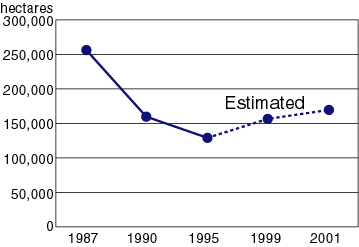
Wetlands: Viet Nam is rich in freshwater and marine wetlands. These are mainly distributed in the Red River and the Mekong River Deltas and along the 3,260 km coastline. The Directory of Asian Wetlands lists over 25 wetland sites in Viet Nam that meet the criteria of ‘Wetlands of International Importance.’ Despite this the only designated such site under the Ramsar Convention is the Xuan Thuy National Park, a 12,000 ha mangrove on the mouth of the Red River in Nam Dinh Province. However, there are plans for additional Ramsar sites, including the Tram Chim National Park in Dong Thap Province in the Mekong River Delta. Can Gio mangrove forest as Viet Nam's first protected area was designated as Man and Biosphere Reserve by UNESCO (2000). Mangroves: Over the last 50 years of development, Viet Nam has lost more than 80% of mangrove forest. The surge in shrimp farming emerges as one of the leading causes of mangrove forest destruction. The loss of mangrove forest area is largest in the Mekong (Cuu Long) Delta, Quang Ninh and Hai Phong provinces. Other causes for mangrove losses include conversion to agricultural and construction lands, war destruction, fuel wood collection. Over the last three decades from 1960 to 1995, Quang Ninh and Hai Phong have seen the disappearance of close to forty thousands hectares of mangrove forest. Only 15,700 hectares remain in the two provinces. It was estimated that the annual loss in terms of forgone benefits of mangrove functions (e.g., fishery, forestry, and erosion) could be in the rage of 10-32 mill. USD per year8. Note 8:World Bank, (1999), ‰ The Quang Ninh and Hai Phong Coastal Region: Estimated data compiled from various sources for 1999 and 2001 indicates some increase in mangrove areas (Fig 1).
Coral Reefs: The coverage of coral reef in northern Viet Nam generally falls between 25 and 50%. Based on the IUCN criteria for assessing coral reefs, only 1.4 % of the reefs studied in southern Viet Nam are in excellent condition. The number of poor reefs occupied 37.3% and the reefs considered to be in fair and good condition occupied 48.6% and 31% respectively (Table 2). The total area of coastal coral reefs is about 40,000 ha. In general, coral reefs are found in three areas: in the west of Tonkin Gulf, in Central Viet Nam and in the eastern Siam Gulf. The marine areas with the largest coral reefs are in the Spratly and Paracel Archipelagos. The main threats to the reefs are destructive fishing methods, over-fishing, sedimentation, and pollution from territorial sources. Destructive fishing practices, such as the use of poison and dynamite, threaten as much as 85% of the country’s reefs. Over-fishing is a pervasive threat to more than 60%, while sediment from upland sources is estimated to threaten 50% of Viet Nam’s reefs.
Sea grass: covers an area of 6,800 ha in Viet Nam (Table 3). 15 species of sea grass have been identified. The sea grass beds provide habitats of rare and endangered marine species such as dugong and sea turtles and support food for many species like fishes, shrimps, crabs and sea mammals. Phu Quoc and Con Dao have the most diverse seagrass composition in Viet Nam. Seagrass beds have also been severely degraded from inappropriate fishing, aquaculture production, and pollution from waste discharges.
Coastal and sea water quality: In general, water quality in the coastal regions is within the national standards except in some estuaries. The threats to water quality include land-based pollution sources, fishing with poison (eg. Cyanide), unregulated tourism, transport and seaport development, and the oil and gas industry. Land based pollution: The dominating land based sources of pollution to the coastal environment is the discharge from the river and sewage systems. The fluxes of some important pollutants have been estimated as presented in Table 4.
Seaport development: There are a lot of small and big ports scattered along coastline of Viet Nam. Wastewater and residues of fish and marine products from fishing ports are a major source of organic pollutants in coastal waters. Apart from fishing ports, other marine ports are served for coal, oil and general products. Oil spills: About 30% of the total cargo shipping through the ports carry petroleum products. Off-shore exploitation activities are increasing every year. From 1996 to 2002, the crude oil productions increased from 8.8 to 17 mill. tons/year. About 772,000 tons of oil is leaking into the East sea from crude oil exploitation per year. Between 1995 - 2002, at least 35 major oil spill incidents occurred in the sea. It was estimated that 92,000 tons of oil flowed into the coastal and marine environment during these incidents (Table 5).
|


| pagetop |
| POLICIES | TECHNOLOGIES | NGOs & CBOs | SOURCES |
| Home | About WEPA | What's new | Activities | Definitions | Link | Sitemap | Contact Us |
|